What American Airlines Should Have Told Me

This is the sixth post in a series about my experience in the immediate aftermath of the Flight 5342 tragedy (part one: The Night It Happened). Revisiting this period is helpful to me, but reading about it may not be helpful to you. Feel free to skip this one if you might find it upsetting.
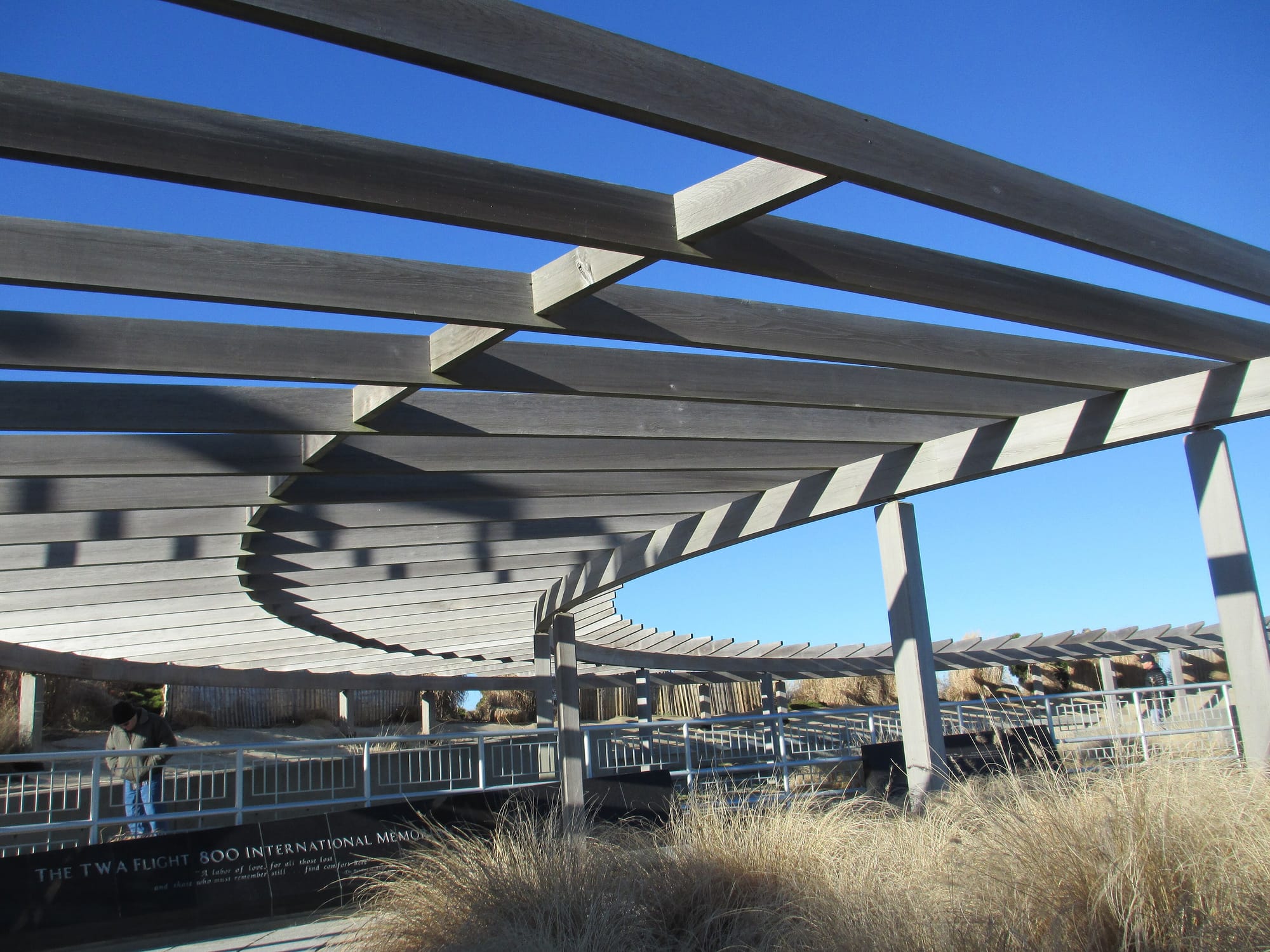
The Aviation Disaster Family Assistance Act of 1996 (ADFAA) became law just shy of 30 years ago on October 9, 1996. Less than three months earlier, TWA Flight 800 had exploded off the coast of East Moriches, N.Y.
The TWA 800 families had endured an unconscionable ordeal — the pain of losing loved ones compounded by an inability to get any information or answers from TWA or the authorities for days. Often, they learned about major developments from the media first. And sadly, it was far from the first time that passenger families had been left uninformed and unsupported in the days following an aviation disaster.
While my experience on the evening of the Flight 5342 tragedy and the initial days that followed was extremely traumatic, I also feel a great deal of gratitude to the families who walked this path before me, shared their experiences publicly, and pushed for the specific passenger family rights that are now included in the ADFAA.
They made a difference for us.
The ADFAA designated the NTSB as the federal government’s coordinator of family assistance activities. Even though the Flight 5342 incident was complicated by the fact that it involved a U.S. Army aircraft, there was no visible confusion over who was leading the investigation, coordinating the response, and acting as a consistent and trustworthy voice to family members.
My last post is an illustration of that part of the process working. We received accurate and timely information and were never left with unanswered questions. I took for granted at the time that we were being briefed before the media every day. It just seemed like common sense. But this is a courtesy earlier families did not receive. Thanks to their advocacy, this courtesy and numerous other family rights are now built into the federal response.
Another pillar of the ADFAA is the requirement for airlines to maintain a family assistance plan on file with the NTSB and the Department of Transportation — and commit to executing it when needed. American Airlines did this, and their plan includes activation of a Customer Assistance Relief Effort (CARE) Team made up of trained volunteer employees to assist families.
Once my sister and I connected with Tom and Tracy, our designated contacts from the CARE Team, on the evening of January 31, 2025, the support we received from them over the days that followed was excellent. They helped us with issues big and small — always with kindness and compassion.
And while I wish I had been contacted by the CARE Team earlier in the process, I also understand that mobilizing a large team of volunteers, briefing them, and transporting them to the location where they are needed can’t happen immediately.
But mobilization time doesn’t explain silence. The plan American filed with the federal government promises a hotline with “the highest call answering priority.” I guess they could argue that they checked that box. But the name-and-number loop I experienced across two days — repeated calls that first night and the day after — didn’t meet the spirit of what the ADFAA requires.
Much of the trauma I experienced during these first days came down to a communication gap at the front end of the process.
All it would have taken was something like this:
We’re so sorry for everything you’re going through. The situation is still developing, and I don’t have every answer you’re looking for yet. But I can explain how the process will work, so you can figure out the best way to support your loved ones.
We are working with the National Transportation Safety Board to set up a Family Assistance Center at a location in the Washington, D.C. area. If you’re able to travel to Washington in person, that will be the best way to receive updates on what is happening and how you can help. But the NTSB will also provide remote options if it’s not possible for you to travel right now.
If you go to Washington, call us when you arrive, and we will let you know if the airport is the best place to go, or if the Family Assistance Center is up and running.
Specially trained representatives from American Airlines will be traveling to Washington to assist family members as well. They will need some time to reach the location and be briefed, but they will call the number you provided as they arrive at the Family Assistance Center. They will help you on site if you’re also there or advocate for you if you are supporting the process remotely.
If you feel up to it, I can also email or text you a document with the types of information that will be helpful to the team working hard to find your family members and bring them home. But there is no rush if you need some time to process what is happening.
Once again, I’m very sorry for what you’re going through.
That’s what American Airlines should have told me.
If you found this interesting or moving, consider making a donation to the Christine Conrad Lane Memorial Dog Park. My wife Christine was a lifelong dog lover and dedicated volunteer for a local dog rescue nonprofit, Rhode Home Rescue.